Climate Change and Emotions | A Step towards Sustainable Future
This self-paced interactive course is designed for middle school students and teachers. It helps learners and teachers acquire a range of social and emotional competencies to deal with climate change and act towards building a more sustainable future.
test
Course Details
13 years +
Target audience
20 Hours
Course duration
English, Hindi, Portugese and Spanish french
Languages Available
Free Certificate
Upon course completion
Self Paced
Course direction
FramerSpace
UNESCO MGIEP Learning platform
Course Learnings
Competencies you will gain
EMPATHY
MINDFULNESS
COMPASSION
CRITICAL INQUIRY
Competencies you will gain
The Climate Change course explores the relationship between climate change and our emotions and helps learners understand, reflect and deal with their emotions around climate change.
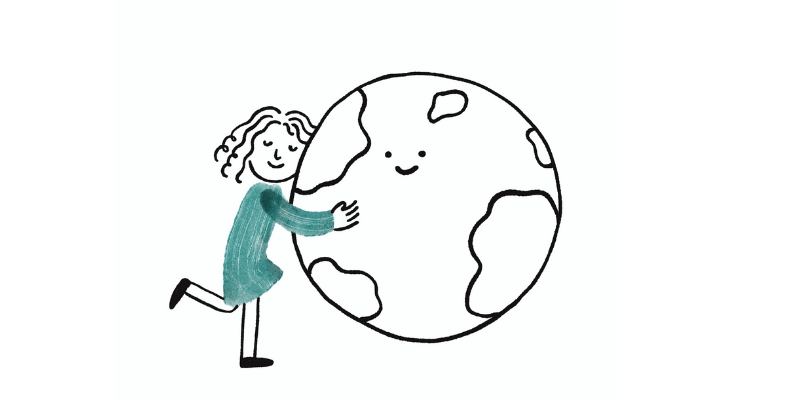
Equips middle school students with social and emotional competencies
The course equips middle school students with social and emotional competencies to deal with climate change, as well as increases learners’ knowledge about climate change.
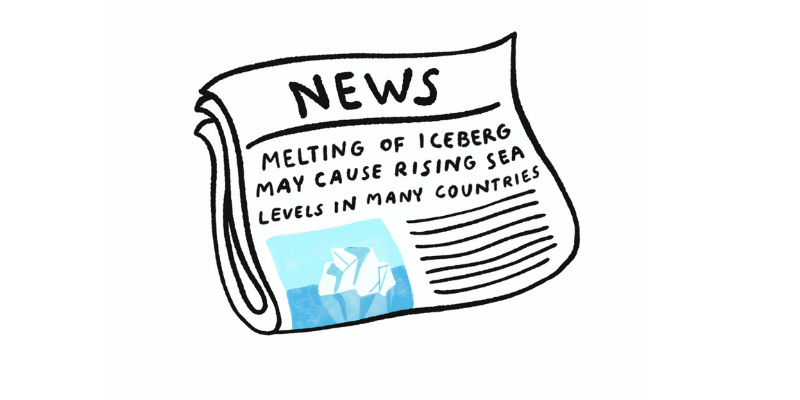
Introduces learners to the science and policy discourse on climate change
The course also takes learners through simulations, games, discussions, reflection, and other interactive activities.
Provides middle school teachers with tools to implement SEL for climate change
The course is designed to provide teachers with knowledge and tools to effectively implement social and emotional learning for climate change in their classrooms.
test
Course Modules
Module 1
Module 1
Module 1
Module 1
Module 1
Module 1
Module 1
Module 1
Module 1
Module 1
Module 1
Module 1
Module 1
Module 1
Module 1
Module 1
Module 1
Module 1
Courses Outcome
Frequently Asked Questions
The Climate Change course is the first to integrate emotion with cognition. It builds knowledge of key climate change concepts like carbon footprint and international treaties and focuses on building skills such as self-awareness, emotional regulation, critical inquiry, perspective-taking, and compassion. It is ready to use as a stand-alone course or as an additional resource for teachers and learners to learn about climate change and take behavioral actions for change.
By the end of the course, learners will be able to: 1. Understanding varying and often conflicting points of views around the issue of Climate Change. 2. Noticing and becoming aware of one’s emotional response to global issues such as Climate Change. 3. Critically evaluating and inquiring about various aspects related to Climate Change. 4. Practising mindfulness activities and learning to be mindful of one’s own emotional and cognitive state throughout the course and beyond. 5. Understanding the knowledge and information about Climate Change with strategies to recognise the emotional reaction to Climate Change and ways to cope and manage one’s emotions through mindfulness exercises.
The Climate Change course is the first to integrate emotion with cognition. It builds knowledge of key climate change concepts like carbon footprint and international treaties and focuses on building skills such as self-awareness, emotional regulation, critical inquiry, perspective-taking, and compassion. It is ready to use as a stand-alone course or as an additional resource for teachers and learners to learn about climate change and take behavioural actions for change.
The Climate Change course is the first to integrate emotion with cognition. It builds knowledge of key climate change concepts like carbon footprint and international treaties and focuses on building skills such as self-awareness, emotional regulation, critical inquiry, perspective-taking, and compassion. It is ready to use as a stand-alone course or as an additional resource for teachers and learners to learn about climate change and take behavioural actions for change.
The Climate Change course is the first to integrate emotion with cognition. It builds knowledge of key climate change concepts like carbon footprint and international treaties and focuses on building skills such as self-awareness, emotional regulation, critical inquiry, perspective-taking, and compassion. It is ready to use as a stand-alone course or as an additional resource for teachers and learners to learn about climate change and take behavioural actions for change.
The Climate Change course is the first to integrate emotion with cognition. It builds knowledge of key climate change concepts like carbon footprint and international treaties and focuses on building skills such as self-awareness, emotional regulation, critical inquiry, perspective-taking, and compassion. It is ready to use as a stand-alone course or as an additional resource for teachers and learners to learn about climate change and take behavioural actions for change.
Similar courses
Biodiversity and Human Well-Being
A highly interactive online certificate course that enables learners to acquire critical perspectives on biodiversity and human wellbeing as well as gain the social and emotional competencies that can facilitate biodiversity conservation efforts. Some concepts in focus are natural capital, inclusive wealth, ecosystem services, dragons of inaction. The course goes beyond promoting a purely rational and conceptual understanding of biodiversity and enables learners to relate with the global issue at a personal and emotional level thus inspiring action.

Global Citizenship
UNESCO MGIEP’s flagship project ‘Global Citizenship’ aims to achieve the goal of sustainable and peaceful societies as outlined in SDG 4.7 through a digital curriculum on Global Citizenship education, with a focus on development of key Social and Emotional Learning (SEL) skills. The curriculum has been specifically designed for adolescents in the age group of 12-14 years, understanding the neuroscience and psychology of how an adolescent brain learns.
Recommended Reading
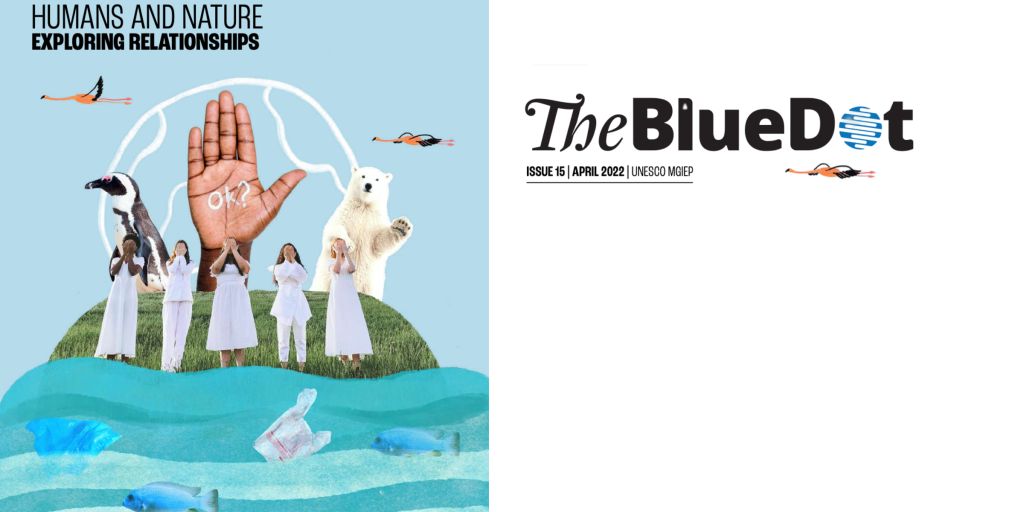
Blue Dot Issue XV: Humans and Nature Exploring Relationships
It’s time to question the way we have been educating our children. We live in a world where anthropogenic climate change, environmental degradation and loss of biodiversity have reached an alarming level. However, the dominant discourse in education continues to see it as a tool for economic growth, ignoring its transformative potential for a peaceful, prosperous and environmentally sustainable planet.


