Games for Learning
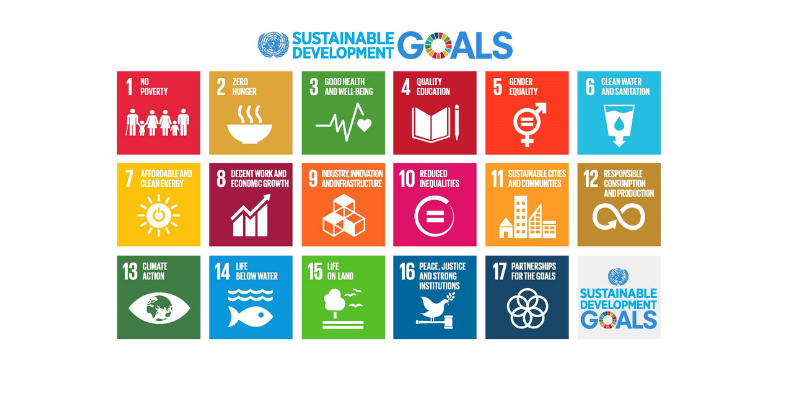
Increasingly, studies indicate the strong pedagogical properties games have for learning. The use of games for teaching mathematics, sciences and the humanities is becoming part of the educational landscape. In parallel, there has been a surge in game development for teaching social and emotional learning skills. Further, games are being used in assessments and evaluation of student learning. UNESCO MGIEP, through its Games for Learning project seeks to embed social and emotional learning skills in learners (13+) through digital games in formal and informal education systems, in order to achieve the UN SDG 4.7.
An Introduction
Curious to know why UNESCO MGIEP works in the space of games for learning and how games for learning can help us achieve the UN SDG 4.7? Read this section for details.
The science behind Games for Learning
The UN Sustainable Development Goals have positioned education (SDG 4) at the heart of the post-2015 global development agenda. The Global Education for All Meeting called for education to be restructured to respond constructively and progressively to social change. Since the emergence of a global movement that calls for a new model of learning, it has been argued that formal education must be transformed to enable new forms of learning that are needed to tackle increasingly complex problems of the 21st century. Thus, a radical shift is required from a ‘transmission’ model to an ‘active-engagement’ pedagogy model. Games for Learning propose highly attractive and immersive solutions.
Encouraged by numerous studies and research supporting the pedagogical benefits of play, educators are now using digital games to teach mathematics, science, humanities, and social-emotional skills. With the advent of fast internet connectivity and availability of affordable devices, there are infinite possibilities for leveraging educational technology, including games, for deeper, engaging, active and immersive learning experiences for formal, informal and non-formal learning.
Achieving the UN SDG 4.7
Through its games for learning initiatives such as the development of games for SDGs, including World Rescue, and the design of game based courses for games such as World Rescue, Florence, Bury Me My Love and others, UNESCO MGIEP aims to raise issues of peace, sustainable development and global citizenship in the minds of the learner. The games and courses are designed to impart social and emotional skills in the learner so the learner becomes more mindful, empathetic, and compassionate, critically questioning concepts introduced to them.
Methodology / Key Initiatives
In this section, learn about the 5 step methodology followed in the Games for Learning project, towards achieving the UN SDG 4.7.
1. Curated catalogue for games on social and emotional learning
A catalogue of a 100 high quality games that promote social and emotional behaviour, available as a source for educators, game developers and learners, looking at games in the field of social and emotional learning. The catalogue will be available for use / reference by December, 2019.

2. Industry Guidelines for Games and Digital Learning
The Industry Guidelines for Games and Digital Learning are based on the adoption of the Vizag Declaration during TECH 2018 in Visakhapatnam, India to establish standards of digital learning resources to determine digital products best suited to the educational needs of the 21st century. The guidelines are being created by a team of experts including academics, industry leaders and policymakers and will comprise of a set of suggestive steps for game developers and creators to adopt in the game development process to make their games social and emotional learning ready. The Guidelines will be launched at the UNESCO General Conference in 2019.

3. Game-athons
A series of hackathons titled ‘Game-athons’ will be conducted globally to introduce game developers and creators to the Industry guidelines and guide these stakeholders through the process of creating prototypes of games for social and emotional learning (SEL) and other science of habits. Stay tuned for updates.
4. Game based courses
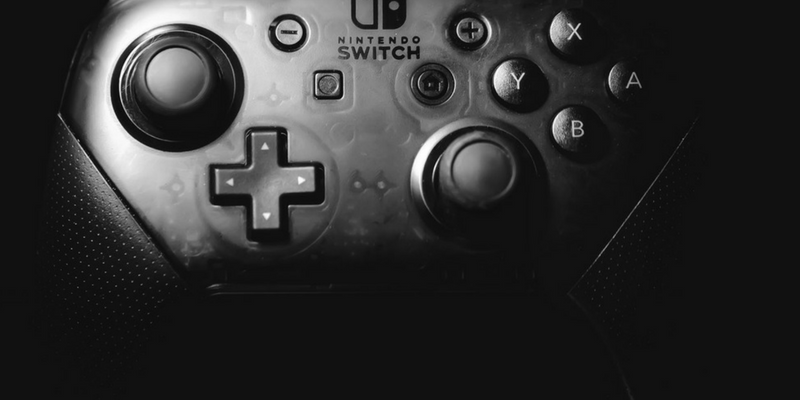
Games, designed specifically for education purposes and otherwise, on their own, may not be able to achieve key learning objectives. However, if games are supported with courses designed around specific learning objectives, the possibility for learning is limitless. Games-based courses much like traditional courses can be broken down to create moments of reflection, assessments and collaboration, which can meet diverse learning objectives. UNESCO MGIEP’s team of experts work to create games based courses on some of the most popular games.
5. Games for SDGs
Based on the Industry Guidelines, UNESCO MGIEP, with partners, will develop a unique game that guides learners through social and emotional learning and other science of habits, towards achieving the SDGs. The game will be available for young learners above the age of 13 by December 2019.

Partner with US
If you’re a game designer / developer, creator, educator, academic, policymaker or learner (13+) interested in games for learning, we’d be excited to hear from you. Write to gamesforlearning@unesco.org with details on how you’d like to collaborate.
What’s in it for YOU?
The Games for Learning initiatives at UNESCO MGIEP directly impact three core audience types: the game designer / developer; the learner above the age of 13 (in formal and informal settings) and the facilitator, or the educator who helps impart the learning experience. Read here to identify which initiatives you can collaborate with us on.
Learners (13+)
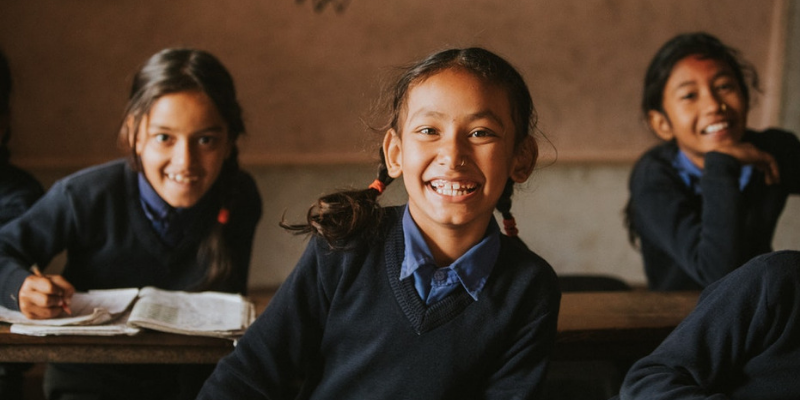
Discover UNESCO MGIEP’s Games based courses, with clearly defined learning objectives, on unique and exciting games that promote social and emotional learning such as Florence, World Rescue and Bury Me My Love (coming soon). UNESCO MGIEP also periodically organises Co.Design workshops for learners, to help them ‘learn’ while they design courses. If you’re interested in being a part of these workshops, write to gamesforlearning@unesco.org for details on upcoming workshops.
Educators & Teachers
UNESCO MGIEP has a range of Games for Learning initiatives for educators to partake in – from designing Games for Learning courses that promote social and emotional learning to a catalogue of a 100 high quality games that promote key social and emotional competencies. Curious to learn more? Visit our learning platform, FramerSpace, or write to gamesforlearning@unesco.org
Games Developers & Creators
Keen to partner with us in this unique space of games for learning to promote social and emotional learning? UNESCO MGIEP has a variety of products for Game Developers and creators – including Games for SDGs, a high quality games for learning catalogue, Industry Guidelines for Games & Digital Learning and Game-athons. Explore our learning platform to learn more or write to gamesforlearning@unesco.org for details.
Key achievements
Learn about what UNESCO MGIEP has worked upon through its Games for Learning initiatives.
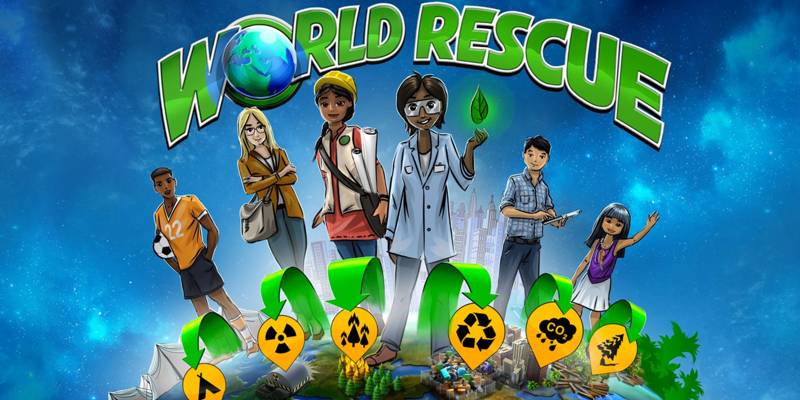
World Rescue – over 13,000 downloads!
World Rescue is a narrative, research-based video-game, for young learners inspired by the Sustainable Development Goals of the United Nations. Through fast-paced gameplay set in Kenya, Norway, Brazil, India, and China, learners will meet and help five young heroes and help them solve global problems—such as displacement, disease, deforestation, drought, and pollution—at the community level. The Game has been downloaded over 13,000 times and has a rating of 4.3 on Google Playstore.
Cantor’s World
Cantor’s World is a game, designed to educate learners about the Inclusive Wealth Index (IWI) and how it complements other indices. In the game, players experiment with policy choices and experience first-hand the tug-of-war between short-term results and long-term sustainability. The participants play the role of the sole architect of a country and decide specific targets for their respective countries.
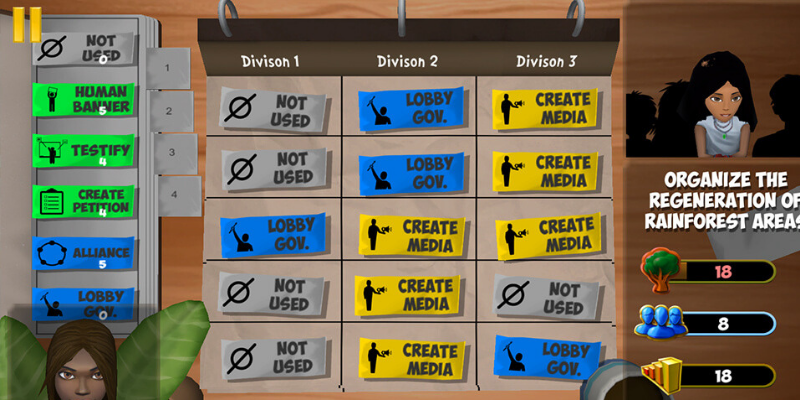
Games based course on World Rescue: Decision Making Towards Sustainability
Through fast-paced gameplay set in Kenya, Norway, Brazil, India, and China, in this course, learners (above 13) will meet five young heroes, who will help them solve global problems at the community level and gain knowledge and skills fundamental towards making better decisions for the health of the planet.

Games Based Course on Florence: Perspectives & Patterns
Meet Florence Yeoh, a 25-year-old girl living in Australia. Through this game-based course, learners above the age of 13 will explore concepts of identity and gender as they journey through her life and relationships.
Intelligent Global Hub on Digital Pedagogies (IGHDP)
UNESCO MGIEP has collaborated with the State Government of Andhra Pradesh to provide knowledge partnership for the establishment of a research and design laboratory for cutting-edge digital pedagogies and 21st century skills. The Hub will be set up in the State of Andhra Pradesh for multiple stakeholders to work towards rolling out digital learning products.
Games for Learning @ TECH
The first edition of the Transforming Education Conference for Humanity (TECH) was held in 2017 in Vizag City, State of Andhra Pradesh, India, focused on digital pedagogies for building peaceful and sustainable societies. Games for Learning has been a key theme for the first two editions of the conference and will continue to be a prominent feature in the third edition of the Conference.
What’s the latest
Explore this section for updates on key activities on the Games for Learning project.
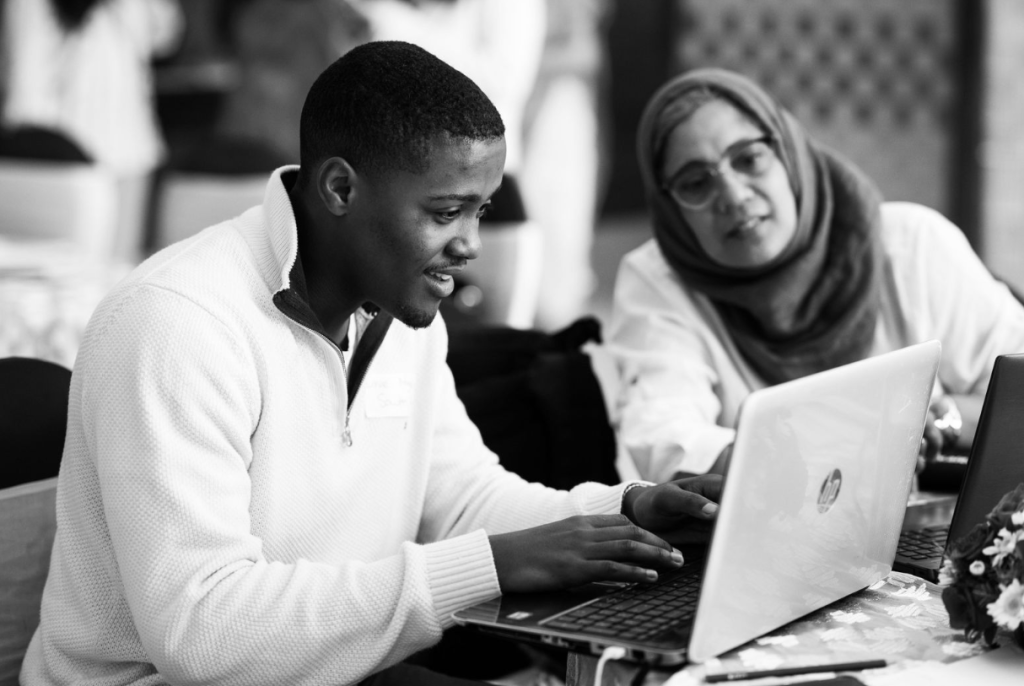
UNESCO MGIEP in partnership with Touchdown Gurus is organizing a series of CoDesign workshops in June and July in New Delhi, Mumbai and Chennai. These workshops provide students and teachers a unique opportunity to design and implement their own learning through popular digital games. These games have been vetted by UNESCO MGIEP’s Games for Learning team and are hosted on our own digital platform, FramerSpace.
Hatch has agreed with the UNESCO Mahatma Gandhi Institute of Education for Peace and Sustainable Development (MGIEP) to publish games developed or approved by the Institute that support the United Nations’ Sustainable Development Goals (SDGs). The games will be a part of the Hatch Kids offering for premium subscribers, due for launch to consumers in the first markets in Q1 2019.
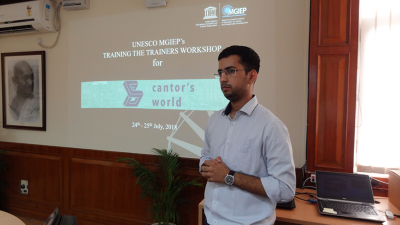
July 24th – 25th, New Delhi, India UNESCO MGIEP’s Games for Learning Programme in collaboration with Fields of View conducted the first ‘Training the Trainers’ Workshop on the game Cantor’s World.
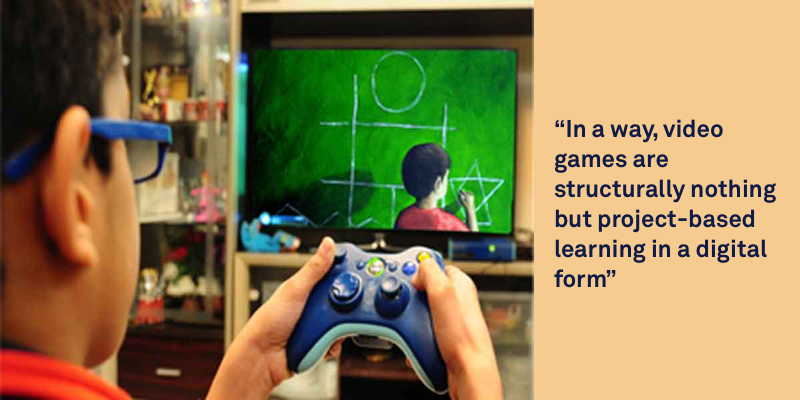
The traditional education system has opposed learning and fun. But fun doesn’t distract from learning; it helps to learn better, says Zigor Hernandorena Juarros, senior project manager, Fun Learning Department, Ubisoft and speaker at distinguished lecture series by UNESCO Mahatma Gandhi Institute of Education for Peace and Sustainable Development (MGIEP).
As part of its pilot study to test the game, UNESCO MGIEP will conduct two workshops to demonstrate the game to invited lecturers from 10 selected universities, introduce and train them on the game, in order to facilitate its employment as a pedagogical tool in classrooms. Students and teachers from these universities shall form the first sample pool for the pilot study on the effectiveness of Cantor’s World. The first training workshop is scheduled to be held on 24th & 25th of July 2018 at UNESCO MGIEP premises in New Delhi, India. This workshop will have teachers from India, Japan, Bangladesh, Bhutan, Nepal and Sri Lanka learn the game and its use in the classroom.
Games can be used as an active tool of pedagogy and for the larger societal good, experts said at an event hosted by the United Nations Educational, Scientific and Cultural Organization (UNESCO) today.

Speaking at the event hosted by UNESCO MGIEP (Mahatma Gandhi Institute of Education for Peace and Sustainable Development), Zigor Hernandorena Juarros, senior project manager of Ubisoft, said education was a passive process, while learning was an active approach that becomes possible because of an intrinsic urge to learn.
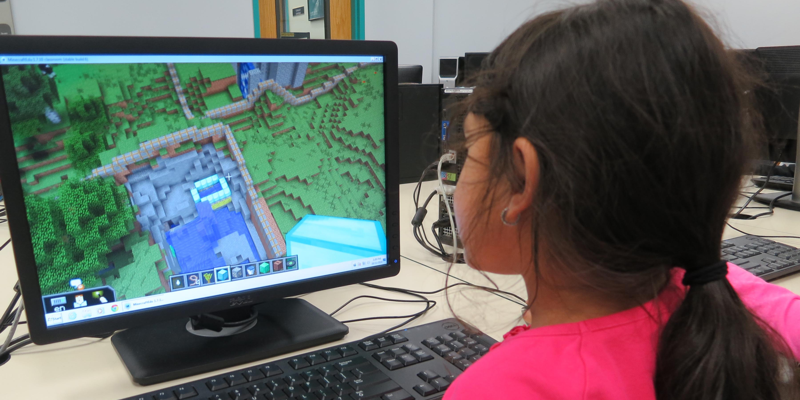
Game-based learning is the new trend that is not only helping the students acquire the desired knowledge and life skills but also helping the teachers make learning more fun. Gurbani Singh reports
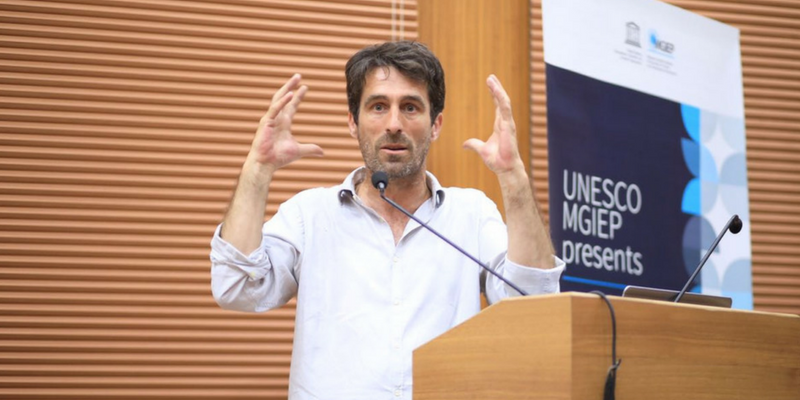
28 June 2018: In UNESCO MGIEP’s Seventh Distinguished Lecture, Zigor Hernandorena Juarros, Senior Project Manager – Fun Learning Department, Ubisoft, discussed how digital pedagogies such as games can be used as an effective tool to impart learning.
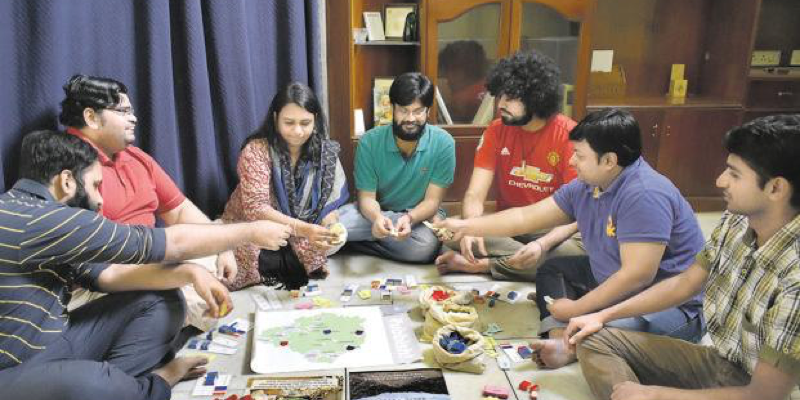
“I have never seen economists having fun!” Anantha K. Duraiappah, Director, UNESCO MGIEP quoted in a recent article published on The Live Mint on “How games can help craft better policy”
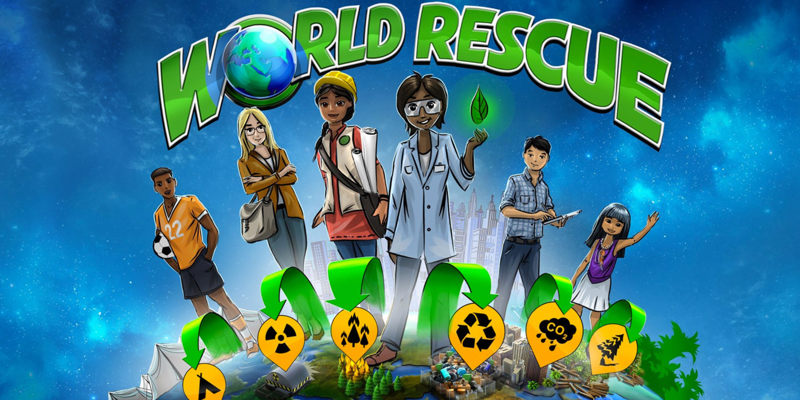
The research-based video game, takes the players across Kenya, Norway, Brazil, India, and China where they take on the roles of five young heroes to solve global problems—such as displacement, disease, deforestation, drought, and pollution—at the community level to achieve a more sustainable world.
Key Publications & Resources
View this section for key publications / resources related to the Games for Learning project.
Working Paper 5: The Limits and Strengths of Using Digital Games as “Empathy Machines”
This Working Paper grapples with questions related to the intersection of digital games and empathy.
Working Paper 3: Empathy, Perspective and Complicity – How Digital Games Support Peace Education and Conflict Resolution
This Working Paper by Paul Darvasi critically examines how digital games can support peace education and conflict resolution
Florence: Perspectives & Patterns: Creating a Games based course
Curious to learn about the processes followed at UNESCO MGIEP to develop a Games based course? The team penned down their experience of developing a Games based course for Florence – with learning objectives focused on identity and perspective taking.
Cantor’s World: Curriculum Framework
Based on the Cantor’s World game, this Curriculum Framework comprises eight one hour modules with clearly defined
Cantor’s World: Facilitator’s Manual
This manual is designed for facilitators/teachers to guide students through each level of the Cantor’s World game.
Cantor’s World: Player’s Manual
This manual includes detailed instructions for players to navigate through the Cantor’s World game


